How shopify ai agent api connects apps?How shopify ai agent api connects apps?
The rise of AI in e-commerce has transformed the way online stores operate.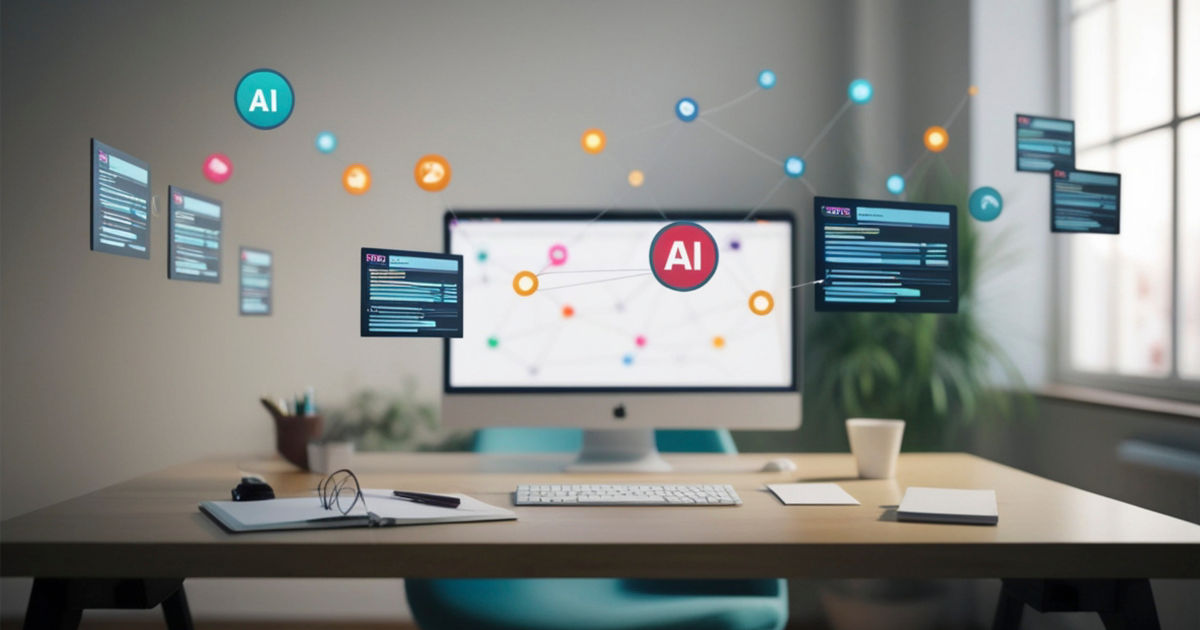
One of the most powerful tools available to Shopify merchants today is the Shopify AI agent. This advanced technology helps businesses automate tasks, enhance customer interactions, and seamlessly connect different apps to create a smarter online store.
Understanding how the Shopify AI agent API connects apps is essential for business owners, developers, and tech enthusiasts who want to leverage automation and AI capabilities.
The Shopify AI agent acts as a bridge between various apps and services in the Shopify ecosystem.
By using its API, developers can integrate third-party apps, automate workflows, and enhance customer experiences without manually coding each connection.
In this guide, we will explore how Shopify AI agent works, its key features, how to connect apps, and the benefits it brings to e-commerce businesses.
What is the Shopify AI Agent?
A Shopify AI agent is an artificial intelligence-powered tool designed to assist merchants with managing tasks, analyzing data, and interacting with customers efficiently. Unlike traditional software, the AI agent learns from interactions and adapts its responses over time. It can be integrated with various apps and services using the Shopify AI agent API.
The AI agent is not just a chatbot; it’s a comprehensive automation engine that can handle inventory management, order tracking, customer queries, and marketing campaigns. By connecting apps through its API, merchants can ensure that all their tools work together seamlessly, reducing errors and saving time.
Understanding the Shopify AI Agent API
The Shopify AI agent API is the set of rules and protocols that allow apps to communicate with the AI agent. APIs, or Application Programming Interfaces, are like bridges that enable different software applications to “talk” to each other. In the context of Shopify, the AI agent API allows developers to connect apps such as email marketing tools, inventory systems, shipping platforms, and analytics software.
The API provides endpoints that developers can use to send and receive data. For example, a marketing app can send customer information to the Shopify AI agent, which can then provide personalized recommendations or automated responses. Similarly, an inventory management app can update stock levels, and the AI agent can notify customers when products are back in stock.
The flexibility of the API is one of its strongest points. It allows both Shopify native apps and third-party services to integrate, creating a connected ecosystem that works in real-time.
Key Features of Shopify AI Agent
Understanding the key features of the Shopify AI agent helps explain why it is so effective for connecting apps.
Automated Workflows
The AI agent can automate repetitive tasks, such as sending order confirmations, updating inventory, or responding to customer inquiries. By using the API to connect different apps, these workflows can be triggered automatically based on predefined rules.
Multi-App Integration
One of the most valuable features of the Shopify AI agent is its ability to integrate with multiple apps. Whether you use CRM tools, payment gateways, or analytics platforms, the AI agent API allows them to communicate with each other seamlessly.
Real-Time Data Synchronization
With connected apps, the AI agent ensures that data is consistent across all platforms. For example, if a customer updates their shipping address in a CRM app, the AI agent can update that information in the order management system in real-time.
Personalized Customer Interaction
By analyzing customer data from connected apps, the Shopify AI agent can provide personalized recommendations, suggest products, and even automate personalized marketing campaigns.
Scalability
The AI agent API supports scalability, meaning that as your business grows, you can connect more apps without worrying about performance issues or manual integration.
How Shopify AI Agent API Connects Apps
Connecting apps through the Shopify AI agent API involves several steps, but it’s designed to be user-friendly for developers.
Step 1: API Authentication
Before apps can communicate with the AI agent, they must authenticate themselves. Authentication usually involves generating an API key or token, which ensures that only authorized apps can access the AI agent.
Step 2: App Registration
Developers need to register their apps with Shopify to make them compatible with the AI agent. Registration ensures that the AI agent recognizes the app and can properly route data between services.
Step 3: API Endpoint Usage
Once authentication and registration are complete, apps can start sending requests to the API endpoints. For example, an email marketing app may send a request to the AI agent API with customer email data. The AI agent can then trigger automated campaigns or provide customer insights.
Step 4: Data Handling and Responses
The AI agent processes the incoming data and determines the necessary action. It can store the data, send it to other connected apps, or respond with recommendations. This seamless data flow ensures that all apps stay synchronized.
Step 5: Monitoring and Logging
To maintain reliability, the AI agent API allows developers to monitor the flow of data between apps. Logging features ensure that any errors can be quickly identified and resolved.
Popular Apps that Connect with Shopify AI Agent
Many apps benefit from connecting with the Shopify AI agent. Here are some common examples:
Customer Relationship Management (CRM) Apps
CRM apps manage customer information, purchase history, and communication preferences. When connected through the AI agent, these apps can provide personalized recommendations and automated customer engagement.
Inventory Management Apps
Inventory apps help track stock levels and product availability. By connecting with the AI agent, they can automatically update product availability on the store and notify customers of restocks.
Email Marketing Platforms
Email marketing apps can send automated emails based on customer behavior. Using the Shopify AI agent API, these platforms can trigger campaigns when customers perform specific actions, such as abandoning a cart.
Analytics and Reporting Tools
Analytics apps track sales, customer behavior, and marketing performance. The AI agent can gather data from these apps, providing insights that help merchants make informed decisions.
Payment and Shipping Apps
Apps that handle payments or shipping can connect with the AI agent to automate order fulfillment, track shipments, and manage payment confirmations efficiently.
Benefits of Connecting Apps via Shopify AI Agent
Connecting apps through the Shopify AI agent API brings multiple advantages to e-commerce businesses.
Efficiency and Time-Saving
By automating tasks and integrating apps, the AI agent eliminates the need for manual updates and repetitive work. This saves time and reduces human errors.
Improved Customer Experience
Customers receive faster responses, personalized recommendations, and consistent communication, improving their overall shopping experience.
Data Consistency
Connected apps ensure that all systems share accurate, up-to-date information. This reduces discrepancies and helps maintain operational accuracy.
Scalability for Growth
As businesses expand, new apps can be connected to the AI agent without disrupting existing workflows, making it easier to scale operations.
Enhanced Insights
By analyzing data across multiple apps, the AI agent provides valuable insights that help businesses optimize marketing, sales, and customer service strategies.
Practical Examples of Shopify AI Agent in Action
Example 1: Automated Customer Support
A merchant connects a live chat app and a CRM tool to the Shopify AI agent. When a customer asks about a product, the AI agent retrieves information from the CRM, checks inventory availability, and provides an instant response. The result is faster support and satisfied customers.
Example 2: Personalized Marketing Campaigns
By connecting an email marketing app and analytics platform, the AI agent can identify customers who are likely to buy certain products. It automatically triggers personalized emails, increasing the likelihood of conversions.
Example 3: Streamlined Order Management
The AI agent can integrate payment, shipping, and inventory apps. When a customer places an order, the AI agent updates inventory, confirms payment, and notifies the shipping provider. All steps happen automatically without manual intervention.
Challenges in Using Shopify AI Agent API
While the Shopify AI agent is powerful, there are some challenges that developers and merchants may encounter.
API Complexity
For beginners, understanding API endpoints, authentication, and data formatting can be challenging. Developers may need training or guidance to ensure correct integration.
App Compatibility
Not all apps may be fully compatible with the AI agent API. Merchants may need to choose apps that explicitly support AI agent integration.
Data Privacy
Connecting multiple apps involves sharing customer data across platforms. Merchants must ensure compliance with privacy regulations such as GDPR or CCPA.
Maintenance
Even after successful integration, the API and connected apps require ongoing maintenance to handle updates, bugs, or changes in business processes.
Best Practices for Connecting Apps with Shopify AI Agent
To get the most out of the Shopify AI agent API, businesses should follow some best practices.
Plan Your Workflow
Before connecting apps, outline the workflow you want to automate. Identify which apps need to communicate and the type of data they will share.
Secure API Credentials
Keep your API keys and tokens secure. Only authorized personnel should have access to authentication credentials.
Test Thoroughly
Before going live, test the integration thoroughly. Ensure data flows correctly between apps and the AI agent responds as expected.
Monitor Performance
Regularly monitor the API connections to detect errors or bottlenecks. Use logging and reporting tools provided by Shopify to maintain system health.
Update and Maintain
Keep apps and the AI agent up to date. Apply updates, bug fixes, and improvements regularly to ensure smooth operation.
Future of Shopify AI Agent and App Connectivity
The future of e-commerce is increasingly tied to AI-powered automation. The Shopify AI agent is expected to evolve, offering even more advanced integrations, predictive analytics, and smarter automation. As more apps become AI-ready, merchants will be able to create a fully connected, intelligent ecosystem that streamlines operations, improves customer experience, and drives growth.
With AI agents handling complex workflows and data management, store owners can focus more on strategic decisions and creative initiatives rather than manual operational tasks.
Conclusion
The Shopify AI agent API is a transformative tool for merchants who want to connect apps and automate workflows. It bridges the gap between various software applications, enabling real-time data synchronization, personalized customer interaction, and efficient operations. By understanding how the AI agent works and following best practices for integration, businesses can unlock new levels of productivity and customer satisfaction.
From automated customer support to personalized marketing campaigns, the Shopify AI agent makes it easier for merchants to manage complex e-commerce operations. Despite some challenges like API complexity and data privacy concerns, the benefits far outweigh the drawbacks. As AI technology continues to advance, the Shopify AI agent will play a crucial role in shaping the future of online retail.
By leveraging the AI agent to connect apps, businesses can ensure that their operations run smoothly, customers receive personalized experiences, and data remains accurate across all platforms. The potential of the Shopify AI agent is vast, and any merchant looking to optimize their store should consider using it to create a smarter, more efficient, and future-ready e-commerce ecosystem.