The phrase “slot gacor” is widely used in online gambling communities, especially in Southeast Asia, to describe slot games that are believed to be “hot,” “easy to win,” or “paying out frequently.” 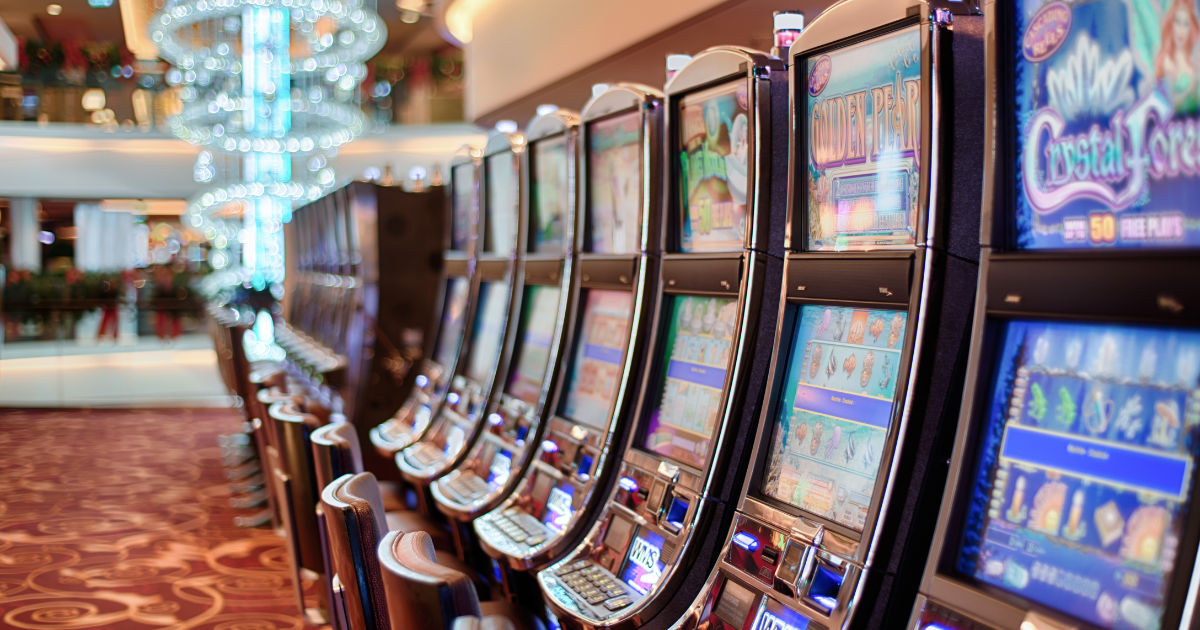 In many discussions, people compare these so-called “gacor slots” with what they call “real odds” — the actual mathematical probability built into the game system.
In this guide, we will break down what “slot gacor” really means, how it differs from real odds in regulated apk slot machines, and why the difference matters. We will also look at how psychology, randomness, and game design influence player perception.
Throughout the discussion, we will also briefly mention how terms like apk slot are used in mobile gaming environments, but the main focus will remain on understanding fairness and probability.
The Meaning of “Slot Gacor”
The term “slot gacor” is not an official gaming or mathematical term. It comes from slang, where “gacor” loosely means “loud” or “active.” In the context of slot games, it is used to describe machines that seem to be paying out more frequently than others.
Players often believe a slot is “gacor” when they experience:
- Frequent small wins
- A recent big win streak
- Bonus rounds appearing more often
- Perceived patterns of payouts
However, these observations are based on short-term experiences rather than long-term probability.
In mobile gaming communities, discussions around apk slot platforms often include these beliefs, where players try to identify which games are “hot” at a given time. But these assumptions often conflict with how real odds actually work.
What Are “Real Odds” in Slot Games?
Real odds refer to the actual probability of winning outcomes programmed into a slot machine or online slot game. These odds are determined using mathematical models and Random Number Generators (RNGs).
Key components of real odds:
- RNG (Random Number Generator): Ensures every spin is independent and unpredictable
- Return to Player (RTP): The percentage of total wagers a game is designed to return over time
- Volatility: How often and how large payouts are distributed
- House edge: The built-in advantage for the casino or operator
For example, a slot with 96% RTP does not mean you win 96% of the time. It means that over millions of spins, the game is designed to return 96% of total wagered money to players collectively.
Core Difference Between “Slot Gacor” and Real Odds
The key difference lies in perception versus mathematics.
1. Perception vs Statistical Reality
“Slot gacor” is based on player experience in the short term. Real odds are based on long-term mathematical outcomes.
A player might win three times in a row and assume the game is “hot,” but the RNG ensures that each spin is still independent.
2. Short-Term Luck vs Long-Term Probability
Slot gacor thinking focuses on short bursts of luck. Real odds operate over millions of spins.
Even a slot with a high RTP can feel “cold” for long periods before balancing out statistically.
3. Emotional Interpretation vs Data-Driven Systems
Players often interpret patterns emotionally:
- “This machine is paying today”
- “This slot is dead”
- “It just changed behavior”
In reality, slot systems do not “change mood” or “heat up.” The outcomes are determined by algorithms, not memory or behavior tracking.
How RNG Eliminates Predictability
At the core of all modern slot systems is the Random Number Generator.
How RNG works:
Every millisecond, the system generates thousands of random numbers. When a player presses spin:
- The current random number is selected
- It maps to a specific outcome on the reels
- The result is displayed instantly
This means:
- No previous spin affects the next spin
- No pattern guarantees future wins
- Timing does not improve odds
So, the idea of identifying a “slot gacor” is not supported by the underlying system design.
Why Players Believe in “Slot Gacor”
Even though real odds are fixed, many players still believe in “hot” slots. This happens due to psychological effects.
1. Gambler’s Fallacy
This is the belief that past outcomes influence future results.
Example:
- “I lost 10 times, so I must win soon”
In reality, each spin remains independent.
2. Confirmation Bias
Players remember wins more strongly than losses.
- Winning streak = remembered as “gacor”
- Losing streak = forgotten or blamed on luck
3. Pattern Illusion
The human brain naturally tries to find patterns, even in random data.
So when wins appear close together, the brain assumes a system behind it, even when none exists.
RTP vs “Slot Gacor” Beliefs
Return to Player (RTP) is one of the most misunderstood concepts in gambling discussions.
Example:
A game with 97% RTP means:
- For every 1000 units wagered across all players
- About 970 units are returned over time
- 30 units remain as house edge
But players often misunderstand this as:
- “I will get 97 back from every 100 I spend”
This misunderstanding leads to “slot gacor” beliefs when short-term wins appear higher than expected.
Volatility: The Hidden Factor
Volatility plays a major role in how a slot “feels.”
High volatility:
- Large wins
- Long dry periods
- Feels “cold” until big hit occurs
Low volatility:
- Frequent small wins
- More consistent gameplay
- Feels more “active” or “gacor”
A low-volatility game may be mistaken as “slot gacor,” even though the math remains unchanged.
The Role of Mobile Gaming and APK Platforms
In mobile gaming environments, including apk slot platforms, players often share experiences and recommendations about which games feel more rewarding.
However, these reports are:
- Subjective
- Based on limited playtime
- Influenced by luck cycles
Different players can experience the same game differently at the same time, reinforcing the illusion of changing odds.
Why “Slot Gacor” Cannot Be Guaranteed
There is no system in regulated gaming that allows predictable manipulation of outcomes.
Reasons include:
- Certified RNG systems
- Regulatory testing in licensed platforms
- Independent audits
- Mathematical independence of each spin
Even if a player wins frequently, it does not mean the game has changed behavior.
Misinterpretation of Winning Streaks
Winning streaks are the main reason people believe in “slot gacor.”
But statistically:
- Streaks are expected in randomness
- Clustering naturally occurs in random systems
- Long losing streaks are also normal
This is similar to flipping a coin and getting heads multiple times in a row. It feels unusual, but it is mathematically possible.
The Psychological Appeal of “Gacor” Thinking
The idea of a “hot” machine gives players a sense of control.
It creates beliefs such as:
- “I can find the right time to play”
- “This game is currently paying more”
- “I can detect patterns in wins”
These beliefs reduce uncertainty, even if they are not supported by math.
Real Odds Are Consistent, Not Emotional
A key difference is consistency.
Real odds:
- Do not change based on player behavior
- Do not respond to wins or losses
- Remain fixed within system rules
“Slot gacor” perception:
- Changes based on mood
- Depends on recent experience
- Influenced by memory bias
Responsible Understanding of Slot Systems
Understanding real odds helps players make informed decisions.
Important principles include:
- Every spin is independent
- RTP is long-term, not immediate
- Randomness does not follow patterns
- “Hot” and “cold” are perceptions, not mechanics
This helps reduce unrealistic expectations and promotes more responsible gaming behavior.
Common Myths About “Slot Gacor”
Myth 1: Time of day affects wins
There is no evidence that timing changes RNG results.
Myth 2: Machines become “due” for wins
Probability does not “balance out” in short sessions.
Myth 3: Betting more increases odds
Bet size affects payout size, not probability.
Myth 4: APK versions have better luck
Game version does not alter RNG fairness.
Comparing “Slot Gacor” vs Real Odds
| Aspect |
Slot Gacor Belief |
Real Odds System |
| Basis |
Experience & emotion |
Mathematics & RNG |
| Predictability |
Believed to exist |
Impossible |
| Pattern recognition |
High |
None |
| Change over time |
Assumed dynamic |
Fixed rules |
| Outcome control |
Player thinks possible |
Fully random |
Why Education Matters
Understanding the difference between perception and probability helps players avoid common mistakes such as:
- Chasing losses
- Overestimating winning chances
- Misreading short-term results
- Believing in false patterns
This knowledge also helps reduce frustration when outcomes do not match expectations.
Conclusion
The concept of “slot gacor” is based on perception, psychology, and short-term experiences rather than mathematical reality. In contrast, real odds are built on structured probability systems, RNG technology, and long-term statistical outcomes.
While players may feel that certain games are more active or rewarding at times, this is a natural effect of randomness and human pattern recognition. The underlying system does not change based on wins, losses, or timing.
In environments where apk slot games are popular, it becomes even more important to understand that all outcomes are governed by fixed algorithms rather than changing “luck cycles.” Recognizing this difference helps separate myth from reality.
Ultimately, “slot gacor” is a belief shaped by experience, while real odds are defined by mathematics. Understanding both allows for clearer thinking and more informed decisions in gaming contexts.
