Author: Millermarker

Group Shipping: A Game-Changer in Modern LogisticsGroup Shipping: A Game-Changer in Modern Logistics

Group shipping is a logistics strategy that involves consolidating multiple shipments from various senders into a single transportation unit. This method is widely adopted by businesses seeking to reduce costs, optimize shipping efficiency, and promote sustainability. As supply chain demands evolve, group shipping continues to revolutionize logistics by providing a smarter way to transport goods.

Key Benefits of Group Shipping

  1. Cost-Effective Shipping
    Sharing transportation resources lowers expenses, making shipping more affordable for businesses and consumers alike.

  2. Improved Delivery Efficiency
    Consolidating shipments allows for optimized routing, reducing transit times and enhancing supply chain performance.

  3. Sustainable Logistics Solution
    Fewer individual shipments mean reduced fuel consumption and lower carbon emissions, contributing to environmental conservation.

  4. Optimized Cargo Space Utilization
    Maximizing container or truck capacity prevents waste and ensures more efficient freight movement.

Challenges of Group Shipping

  1. Complex Shipment Coordination
    Managing multiple shipments requires precise planning and effective communication among different parties.

  2. Limited Flexibility
    Pre-scheduled group shipments may not be ideal for urgent or time-sensitive deliveries.

  3. Possible Delays
    Delays in one shipment could impact the entire group, affecting delivery timelines.

Best Practices for Effective Group Shipping

  1. Partner with a Reputable Logistics Provider
    Choosing experienced shipping companies ensures reliability and smooth operations.

  2. Leverage Digital Tracking Systems
    Real-time tracking enhances visibility, allowing businesses to monitor shipments and plan accordingly.

  3. Schedule Shipments in Advance
    Early planning maximizes consolidation opportunities and minimizes last-minute disruptions.

  4. Ensure Secure Packaging and Proper Labeling
    Well-packaged and clearly labeled shipments help prevent damages and confusion during transit.

Conclusion

集運價格 is an innovative logistics solution that offers cost savings, efficiency, and environmental benefits. While it comes with some challenges, businesses can overcome them through strategic planning and collaboration with reliable logistics partners. As e-commerce and global trade expand, group shipping remains a powerful tool for optimizing supply chains and delivering goods more effectively.

How to Choose the Best Wheelchair-Friendly Taxi ServiceHow to Choose the Best Wheelchair-Friendly Taxi Service

Finding a wheelchair-friendly taxi can be a challenge, but with the right information, passengers with mobility impairments can enjoy safe, comfortable, and reliable transportation. Whether you need a ride to work, medical appointments, or social outings, choosing the right accessible taxi service can make a significant difference in your daily life. 輪椅的士價錢.

Essential Features of a Wheelchair Taxi

1. Easy Accessibility with Ramps or Lifts

A high-quality wheelchair-accessible taxi should have either a hydraulic lift or a ramp, allowing passengers to enter and exit the vehicle safely and easily. Low-floor designs are also beneficial for seamless boarding.

2. Spacious and Comfortable Interiors

The best accessible taxis offer ample interior space to accommodate wheelchairs and allow passengers to travel comfortably. Properly secured seating ensures stability and prevents movement during the ride.

3. Secure Tie-Down Systems

To ensure passenger safety, wheelchair taxis should have wheelchair tie-down straps, secure locks, and safety belts that keep the wheelchair stable while traveling.

4. Professionally Trained Drivers

Drivers of wheelchair-friendly taxis should be trained in assisting passengers with mobility impairments, securing wheelchairs properly, and ensuring a smooth, stress-free journey.

How to Find a Wheelchair-Friendly Taxi Service

1. Online Booking Apps and Websites

Many accessible taxi services offer online booking platforms that allow users to request a wheelchair-accessible vehicle (WAV). Ride-hailing apps such as Uber and Lyft also provide WAV options in select cities.

2. Government and Accessibility Directories

Check with local government agencies or disability advocacy organizations for lists of licensed wheelchair-friendly transport providers in your area.

3. Specialized Taxi Companies

Some companies focus exclusively on wheelchair-accessible transportation. Searching for “wheelchair taxi near me” can help locate these specialized services.

Benefits of Using Wheelchair-Friendly Taxi Services

1. Greater Independence and Mobility

With accessible taxi services, individuals with mobility impairments can enjoy greater independence, allowing them to travel freely without relying on friends or family members.

2. Enhanced Safety and Reliability

Unlike standard taxis, wheelchair-friendly cabs are designed with safety features and accessibility in mind, ensuring a secure and comfortable experience.

3. Cost-Effective and Subsidized Travel

Many cities offer subsidized programs or financial assistance for individuals needing accessible transportation, making these services more affordable.

Top Cities with the Best Wheelchair Taxi Services

  • London, UK – All black cabs are legally required to be wheelchair accessible.

  • New York City, USA – Offers a growing number of WAV taxis.

  • Sydney, Australia – Known for excellent disability-friendly transportation.

  • Toronto, Canada – Has multiple accessible taxi services available.

  • Berlin, Germany – Features a well-developed wheelchair-friendly transport network.

Conclusion

Finding a reliable wheelchair-friendly taxi service can significantly enhance mobility and independence for individuals with disabilities. Whether for daily commutes, medical visits, or social engagements, these services provide safety, comfort, and accessibility. Explore the best options in your area and enjoy hassle-free travel.

Psychological Counseling: A Path to Mental WellnessPsychological Counseling: A Path to Mental Wellness

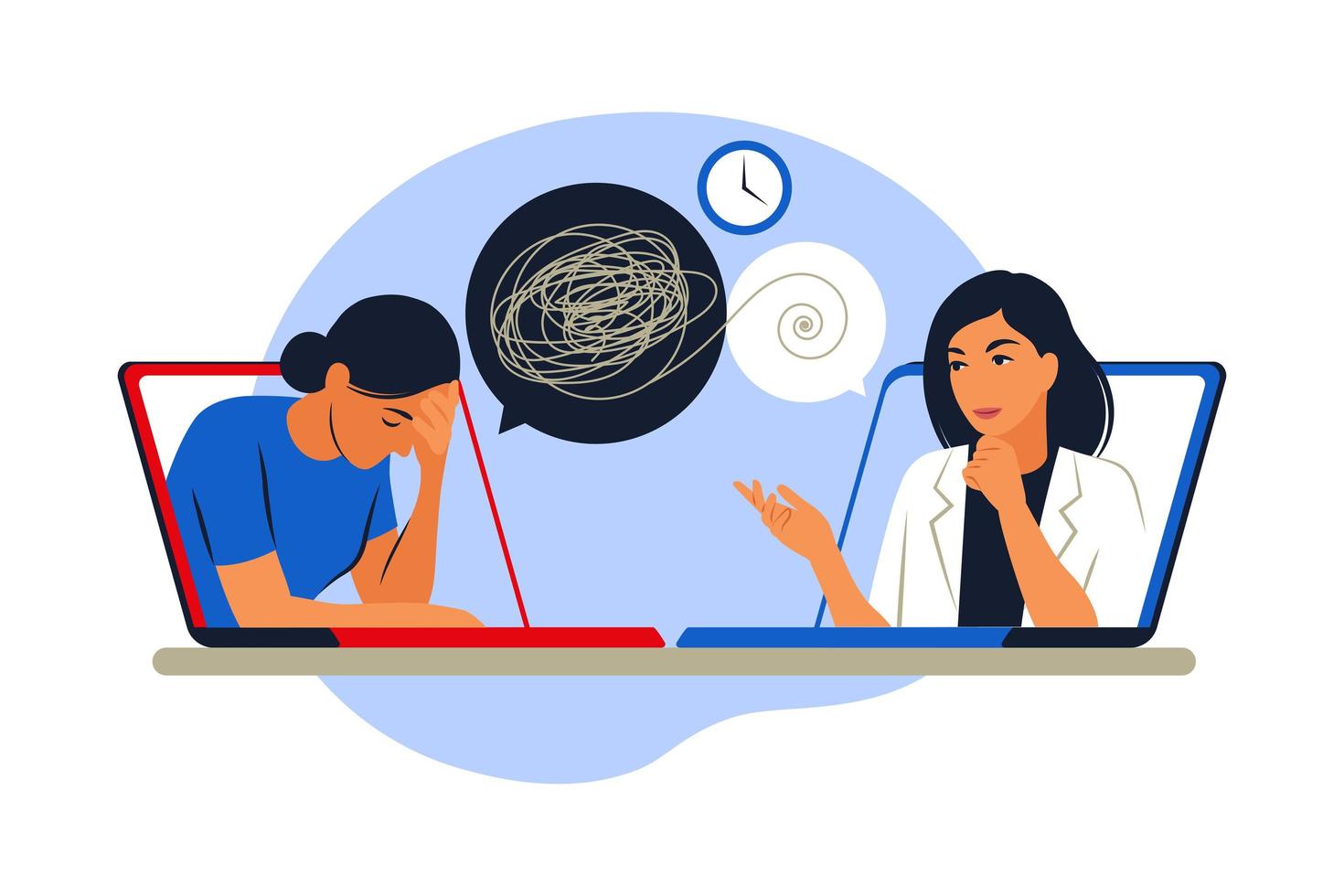
家庭輔導 is a vital resource for individuals seeking to improve their emotional and mental health. Dr. Amos Cheung, a clinical psychologist, offers a comprehensive range of psychological services tailored to individuals in Hong Kong facing challenges in their personal or professional lives.

Many individuals experience periods of emotional distress, such as anxiety, depression, or stress due to factors like work pressure or interpersonal conflicts. While some may be able to manage these feelings independently, others may find themselves overwhelmed. This is where professional counseling becomes crucial.

Therapy is not solely for those diagnosed with mental illnesses but is beneficial for anyone seeking better mental well-being. It offers support for a variety of issues, such as difficulty sleeping, emotional instability, or challenges in relationships and work life. Seeking psychological help is a proactive step in managing one's emotional health, demonstrating strength rather than weakness.

Through therapy, individuals can gain insights into their emotional struggles, learn coping mechanisms, and ultimately enhance their overall quality of life. If you or someone you know is experiencing prolonged emotional distress, professional counseling may be the key to achieving lasting mental wellness.

Urology: The Importance of Maintaining Urinary and Reproductive HealthUrology: The Importance of Maintaining Urinary and Reproductive Health

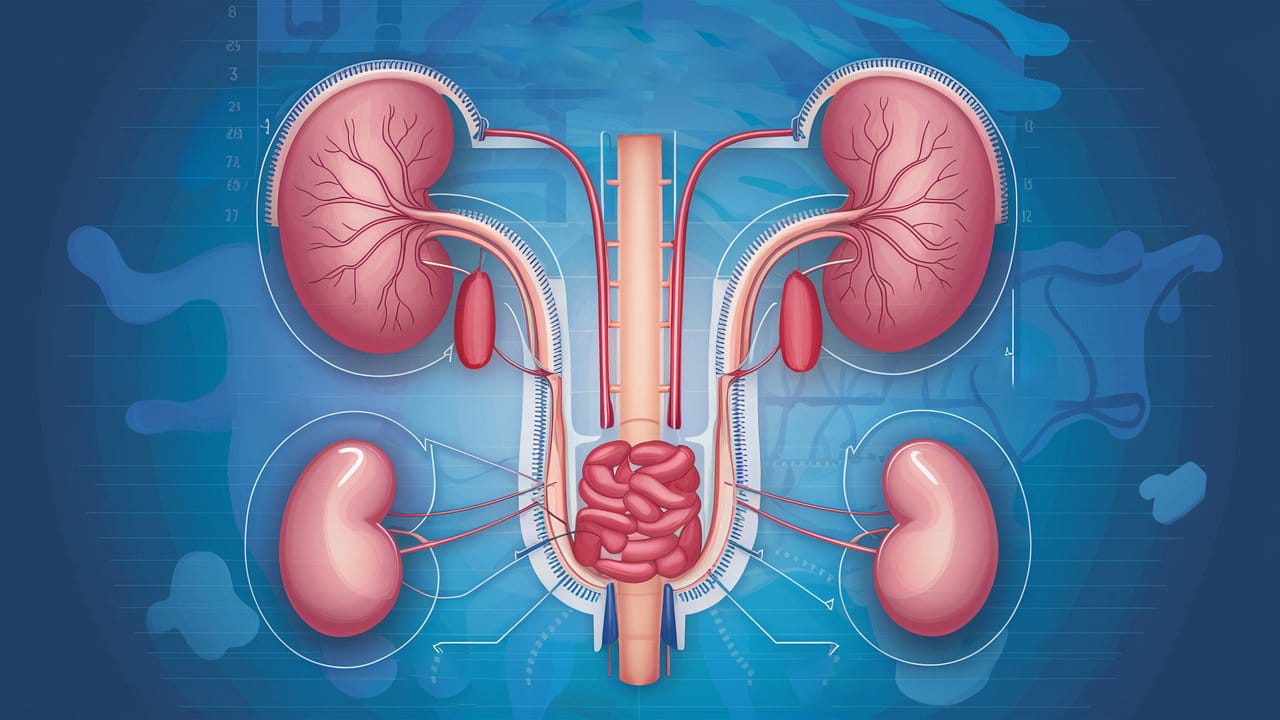
Urology is a medical specialty dedicated to diagnosing, treating, and managing conditions related to the urinary system and male reproductive organs. The urinary system is crucial for the body’s ability to remove waste, regulate fluid balance, and maintain overall health. Urology also plays an essential role in male reproductive health, addressing conditions that affect fertility, sexual function, and general well-being. This article delves into the significance of urology, the conditions urologists treat, and why this specialty is vital for both men and women.

Understanding the Scope of Urology

Urology is a broad field of medicine, with urologists specializing in diseases and disorders of the kidneys, bladder, urethra, ureters, and male reproductive organs. Urologists are highly trained professionals who can diagnose, treat, and manage a wide range of conditions using both medical and surgical approaches.

Unlike other medical specialties, urology involves both adult and pediatric care. While it primarily focuses on male health issues like prostate conditions, urology is not limited to men; it also covers urinary disorders in women, such as incontinence or bladder problems. Thus, urologists are skilled in treating individuals of all ages, from children with congenital urological issues to adults facing more complex conditions.

Common Urological Conditions

  1. Urinary Tract Infections (UTIs): One of the most common conditions treated in urology is urinary tract infections (UTIs). UTIs occur when bacteria enter the urinary system, causing inflammation and discomfort. They are especially common in women due to their shorter urethra, but men can also suffer from these infections. Symptoms include a frequent urge to urinate, pain or burning during urination, and cloudy or blood-tinged urine.

  2. Bladder Disorders: The bladder plays a vital role in storing urine before it is expelled from the body. Conditions like overactive bladder (OAB) and interstitial cystitis can affect bladder function. Overactive bladder leads to a frequent and urgent need to urinate, while interstitial cystitis involves chronic bladder pain and discomfort.

  3. Kidney Stones: Kidney stones are solid, mineral-based deposits that form in the kidneys and can cause excruciating pain if they obstruct the urinary tract. While many kidney stones can pass naturally, some require medical intervention or surgical removal. Symptoms often include intense pain in the back, side, or lower abdomen, along with nausea and difficulty urinating.

  4. Benign Prostatic Hyperplasia (BPH): Benign prostatic hyperplasia is a condition in which the prostate gland enlarges, leading to symptoms like frequent urination, especially at night, a weak urine stream, or difficulty starting urination. BPH is common in older men, and while it is not cancerous, it can significantly affect quality of life. Treatment options may include medications or surgery to alleviate symptoms.

  5. Prostate Cancer: Prostate cancer is one of the most common types of cancer in men. Early-stage prostate cancer often shows no symptoms, but it can be detected through routine screening, such as prostate-specific antigen (PSA) testing or a digital rectal exam (DRE). Treatment for prostate cancer may include surgery, radiation therapy, or hormone therapy, depending on the stage and severity of the disease.

  6. Erectile Dysfunction (ED): Erectile dysfunction is the inability to achieve or maintain an erection firm enough for sexual intercourse. ED is a common problem that affects millions of men worldwide. It can be caused by various factors, including stress, anxiety, hormonal imbalances, or physical conditions like diabetes and cardiovascular disease. Urologists help men with ED by offering treatment options such as medications, counseling, or surgical interventions.

  7. Male Infertility: Infertility is defined as the inability to conceive after one year of unprotected intercourse. In men, infertility may be caused by low sperm count, poor sperm quality, hormonal issues, or physical obstructions. Urologists specializing in male infertility work to diagnose the underlying cause and recommend treatments, such as medication, lifestyle changes, or surgical procedures like sperm retrieval.

  8. Urinary Incontinence: Urinary incontinence refers to the involuntary leakage of urine. It is a common condition in older adults, but it can also affect younger people due to various causes, including pregnancy, pelvic surgery, or neurological disorders. Treatment for incontinence may include pelvic floor exercises, medications, or surgical interventions, depending on the severity of the condition.

The Role of Urologists in Diagnosis and Treatment

Urologists are highly trained to perform both diagnostic procedures and treatments. They may begin by taking a detailed medical history and conducting a physical examination, which can include a digital rectal exam (DRE) for prostate health or a pelvic exam for women. To confirm a diagnosis, urologists may order tests such as:

  • Urinalysis: A urine test to check for signs of infection, blood, or other abnormalities.
  • Imaging Tests: Ultrasound, CT scans, or MRIs to visualize the kidneys, bladder, and urinary tract.
  • Cystoscopy: A procedure that involves inserting a thin tube with a camera into the bladder to diagnose conditions like bladder cancer or bladder stones.
  • PSA Test: A blood test to check for elevated levels of prostate-specific antigen, which may indicate prostate cancer or other prostate conditions.

Once a diagnosis is made, urologists offer various treatment options depending on the condition. For example:

  • Medications: Urologists may prescribe antibiotics for UTIs, medications to reduce prostate enlargement, or erectile dysfunction treatments like sildenafil (Viagra).
  • Surgical Procedures: For conditions like kidney stones, BPH, or prostate cancer, surgery may be required. Urologists use minimally invasive techniques like laparoscopy or robotic-assisted surgery to reduce recovery time and improve outcomes.
  • Lifestyle Modifications: In some cases, lifestyle changes such as reducing caffeine intake, quitting smoking, or maintaining a healthy weight can significantly improve urological health.

Pediatric urology clinic hong kong

Urology isn't only for adults. Pediatric urology deals with conditions affecting the urinary and reproductive systems in children. Some of the conditions treated in pediatric urology include:

  • Congenital Abnormalities: Conditions like hypospadias (a birth defect where the urethra is not properly located) or undescended testicles are commonly addressed in pediatric urology.
  • Urinary Infections: UTIs are also common in children and can lead to kidney damage if not treated properly.
  • Bedwetting: Enuresis, or bedwetting, is a common concern for many parents and can often be treated with behavioral therapy or medications.

When to See a Urologist

It’s important to see a urologist if you experience symptoms that affect your urinary system or reproductive health. Common signs that warrant a visit to a urologist include:

  • Blood in the urine
  • Painful or frequent urination
  • Difficulty starting or stopping urination
  • Persistent pelvic or abdominal pain
  • Pain or swelling in the testicles
  • Erectile dysfunction
  • Unexplained weight loss or fatigue (which could indicate cancer)

Conclusion

Urology is a crucial medical specialty that plays a central role in maintaining the health and well-being of individuals, particularly when it comes to the urinary system and male reproductive organs. Urologists diagnose, treat, and manage a wide range of conditions that can affect men, women, and children. Regular visits to a urologist and early detection of problems can help improve outcomes, minimize complications, and promote better health. Whether dealing with a common condition like a urinary tract infection or more complex issues such as prostate cancer or infertility, seeking expert care from a urologist is essential for addressing urinary and reproductive health concerns effectively.

The Byplay Of Movies: Executive Director In FilmmakingThe Byplay Of Movies: Executive Director In Filmmaking

nbsp; เว็บดูหนังออนไลน์ฟรี 24 ชั่วโมง.

In the glamourous earth of Hollywood, where creativity meets Commerce, the role of film executives is crucial in bringing medium masterpieces to life Bardya Ziaian. These executives are the squeeze behind the stage business side of filmmaking, responsible for overseeing the production, distribution, and selling of movies. Their decisions can make or fall apart a film, influencing its success at the box office and shaping its bequest in the manufacture.

nbsp;

Executive excellence in filmmaking requires a unique intermix of original vision, plan of action thought process, and keen stage business acumen. These individuals play a pivotal role in every present of the filmmaking work on, from selecting scripts and endowment to securing support and negotiating distribution deals. They must sail a complex landscape painting of artistic collaboration, business constraints, and market trends to deliver top-notch amusement that resonates with audiences.

nbsp;

One of the key responsibilities of film executives is distinguishing promising projects and nurturing them from conception to pass completion. This involves reconnoitring for talented filmmakers and actors, evaluating scripts, and collecting the right team to wreak the visual sensation to life. Executives must have a acutely eye for timber and a bent for predicting trends to ensure that their investments pay off at the box power.

nbsp;

In summation to productive supervising, film executives also play a crucial role in managing the commercial enterprise aspects of product. They are responsible for for setting budgets, negotiating contracts, and maximising profitableness for their projects. This requires a deep sympathy of the industry landscape painting, as well as the power to poise creator visual sensation with commercial message considerations.

nbsp;

Furthermore, film executives must be ace at building relationships and negotiating deals with key stakeholders, including natural endowment agencies, studios, and distributors. Effective and negotiation skills are necessity for navigating the web of relationships that corroborate the film industry and ensuring successful collaborationism on projects.

nbsp;

In today 39;s fast-paced and aggressive entertainment landscape, film executives must also be adjustive and original in their go about to filmmaking. They must stay in the lead of industry trends, bosom new technologies, and leverage data analytics to make au courant decisions that winner in an ever-evolving marketplace.

nbsp;

Ultimately, executive director in filmmaking is about more than just qualification money ndash; it 39;s about creating art that inspires, entertains, and resonates with audiences around the worldly concern. By reconciliation productive vision with plan of action mentation and stage business insightfulness, film executives play a life-sustaining role in shaping the perceptiveness landscape and the continuing succeeder of the manufacture. Their leadership and inscription to are essential ingredients in the recipe for cinematic success.