Chinese Medicine: Bridging Ancient Wisdom and Modern WellnessChinese Medicine: Bridging Ancient Wisdom and Modern Wellness
Chinese medicine, a system that has been practiced for over 2,500 years, offers a unique approach to healing and wellness that emphasizes balance, prevention, and the interconnectedness of mind, body, and spirit. Rooted in Taoist philosophy and traditional Chinese cultural beliefs, this system of medicine continues to thrive and evolve in the modern world. In an era where health concerns are becoming increasingly complex, Chinese medicine offers an alternative or complementary path to well-being, addressing both acute ailments and chronic conditions with natural, holistic methods. This article explores the principles, therapies, and growing role of Chinese medicine in contemporary healthcare.
The Philosophy Behind Chinese Medicine: A Holistic Approach
Chinese medicine is built upon a set of foundational concepts that prioritize balance and harmony within the body and with the environment. At its core, Chinese medicine is not just a treatment for illness, but a way of life that seeks to maintain well-being and prevent disease.
1. Qi: The Vital Energy of Life
Central to Chinese medicine is the concept of Qi (pronounced "chee"), which refers to the vital energy or life force that flows through every living organism. In Chinese medicine, Qi is believed to be responsible for all physiological and mental functions. It flows through a network of pathways known as meridians, connecting different parts of the body, including the organs, tissues, and bones.
When Qi is abundant and flowing smoothly, health is maintained. However, when Qi becomes stagnant, blocked, or deficient, illness can manifest. Chinese medicine seeks to restore the natural flow of Qi through various therapeutic methods, ensuring the body operates in a state of balance and vitality.
2. Yin and Yang: The Balance of Opposites
The idea of Yin and Yang, two complementary yet opposing forces, is another cornerstone of Chinese medicine. Yin represents qualities such as cold, darkness, stillness, and nourishment, while Yang represents heat, activity, light, and expansion. These forces are constantly interacting within the body and the universe, and health is achieved when they are in balance.
For example, if the body has too much Yang (excess heat or activity), it can lead to conditions like inflammation, fever, and irritability. Conversely, a deficiency of Yang might manifest as coldness, fatigue, and low energy. Similarly, a deficiency of Yin might cause dryness, weakness, or night sweats. The goal of Chinese medicine is to identify these imbalances and restore the natural equilibrium between Yin and Yang.
3. The Five Elements: Nature’s Cycle of Health
Chinese medicine also incorporates the theory of the Five Elements—Wood, Fire, Earth, Metal, and Water. These elements represent different phases of nature and correspond to various organs and bodily functions. Each element is interrelated and affects the others in cycles of creation and control.
- Wood corresponds to the Liver and is associated with the emotion of anger.
- Fire corresponds to the Heart and is related to joy.
- Earth is linked to the Spleen and the emotion of worry.
- Metal is associated with the Lungs and the emotion of grief.
- Water corresponds to the Kidneys and the emotion of fear.
The harmonious interaction of the Five Elements within the body is essential for maintaining health. When one element becomes imbalanced, it can disrupt the whole system, leading to illness or disease. Chinese medicine works to restore balance and ensure that each element is functioning optimally.
Therapeutic Practices of Chinese Medicine
Chinese medicine encompasses a wide range of treatments designed to restore balance and promote healing. These therapies, used individually or in combination, are often personalized to address a patient’s specific needs.
1. Acupuncture: Restoring Qi Flow
Acupuncture is one of the most well-known therapies in Chinese medicine. It involves inserting very thin needles into specific points on the body known as acupoints. These points are located along the body’s meridians, which correspond to different organs and bodily functions. By stimulating these acupoints, acupuncture is thought to regulate the flow of Qi, remove blockages, and restore harmony within the body.
Acupuncture is used to treat a wide variety of conditions, including pain management, digestive disorders, insomnia, stress, and mental health issues. Studies have shown that acupuncture can improve circulation, reduce inflammation, and promote the release of endorphins, making it an effective treatment for both acute and chronic conditions.
2. Herbal Medicine: Nature’s Healing Remedies
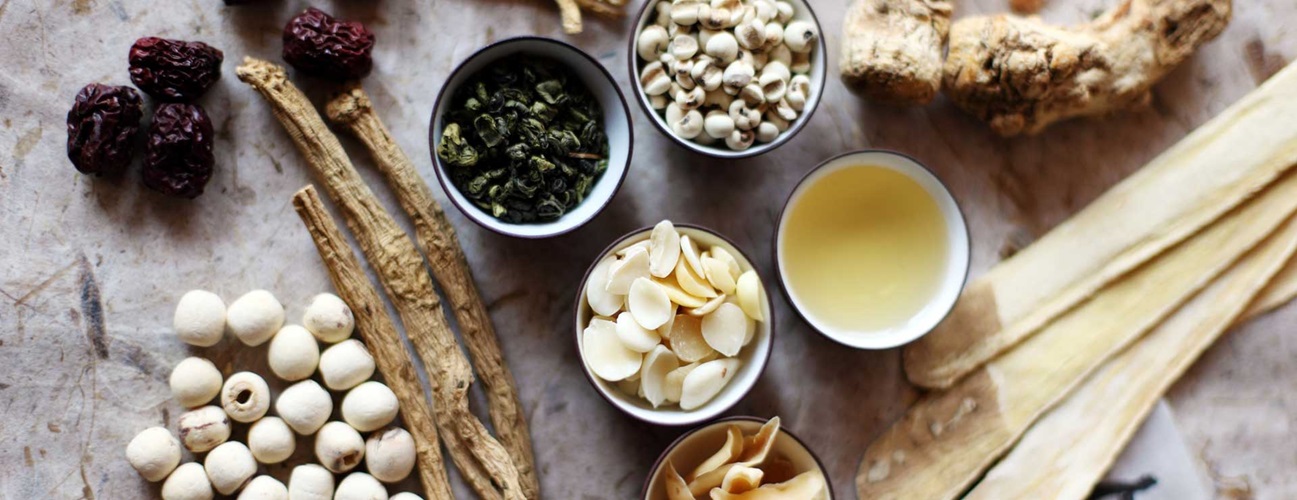
Chinese herbal medicine is another integral component of the practice. Chinese herbs are used in carefully balanced combinations to treat a variety of conditions and promote overall health. Rather than focusing on isolated symptoms, Chinese herbal remedies aim to treat the underlying imbalances that contribute to disease.
For example:
- Ginseng is used to boost energy, strengthen immunity, and improve overall vitality.
- Dang Gui (Dong Quai) is often referred to as the “female ginseng” and is used to regulate menstruation and support women’s reproductive health.
- Astragalus is commonly used to strengthen the immune system and support the body’s ability to fight infections.
- Licorice root is frequently included in herbal formulas to harmonize the effects of other herbs and enhance their therapeutic properties.
Herbal medicine is customized for each individual, taking into account their constitution, symptoms, and overall health condition. It is often combined with acupuncture or other therapies to enhance its effectiveness.
3. Cupping Therapy: Unblocking Qi and Enhancing Circulation
Cupping therapy involves placing glass or bamboo cups on the skin to create suction. The suction is believed to promote blood circulation, release muscle tension, and improve the flow of Qi. Cupping therapy is commonly used to treat musculoskeletal pain, respiratory issues, and digestive disorders. It is also known for its detoxifying effects, as it helps to release toxins and promote the body’s natural healing processes.
Cupping has gained significant popularity in recent years, particularly among athletes and fitness enthusiasts, as it can help relieve muscle soreness and promote faster recovery after physical activity.
4. Moxibustion: Healing with Heat
Moxibustion is a therapy that involves the burning of moxa, a dried herb made from mugwort, near specific acupoints or along meridian lines. The heat generated by the burning moxa is believed to invigorate Qi, expel cold, and promote healing. Moxibustion is often used in conjunction with acupuncture to enhance its effects, particularly for conditions involving cold or deficiency.
Moxibustion is commonly used to treat conditions such as joint pain, digestive issues, and fatigue. It is particularly effective for conditions that involve “cold” in the body, such as poor circulation or digestive stagnation.
5. Tai Chi and Qigong: Mind-Body Practices for Energy and Balance
Tai Chi and Qigong are traditional Chinese practices that involve slow, deliberate movements combined with focused breathing and mental concentration. Both practices are designed to cultivate and balance the body’s Qi, enhance physical strength, improve flexibility, and promote relaxation.
Tai Chi, a form of martial art, is often described as “meditation in motion” because of its emphasis on mindfulness and body awareness. It improves balance, coordination, and joint mobility, making it particularly beneficial for older adults. Qigong, a gentler practice, focuses on energy cultivation and is used to enhance vitality, reduce stress, and boost immune function.
Both Tai Chi and Qigong have been found to have numerous health benefits, including improved cardiovascular health, enhanced mental clarity, reduced stress, and increased longevity.
The Growing Influence of Chinese Medicine in Modern Healthcare
As modern medicine continues to address acute conditions with technological advancements, Chinese medicine provides a complementary approach that focuses on long-term health, prevention, and overall wellness. This holistic perspective has attracted increasing attention worldwide, particularly as individuals seek alternatives to pharmaceuticals for chronic issues and preventive care.
1. Chronic Pain Management
Chinese medicine has become widely recognized for its effectiveness in treating chronic pain conditions. Acupuncture, cupping therapy, and herbal remedies are commonly used to address conditions like arthritis, fibromyalgia, lower back pain, and migraines. These therapies not only alleviate pain but also work to restore the underlying imbalances that contribute to chronic pain.
2. Stress and Mental Health
In today’s fast-paced world, stress and mental health disorders such as anxiety and depression are on the rise. Chinese medicine offers a natural approach to mental health by addressing both the physical and emotional aspects of the individual. Acupuncture and herbal medicine help regulate the nervous system, reduce stress, and promote emotional well-being. Practices like Tai Chi and Qigong also help calm the mind, improve emotional resilience, and enhance mental clarity.
2. Yin and Yang: The Balance of Opposites
0
Chinese medicine places a strong emphasis on maintaining a healthy immune system and preventing illness. Herbs like astragalus and ginseng are widely used to strengthen immunity and promote the body’s natural ability to ward off infections. Acupuncture is also believed to enhance immune function and support the body’s ability to resist illness.
With its emphasis on preventing illness before it manifests, Chinese medicine is gaining recognition as a valuable tool in modern wellness practices, particularly for those seeking natural, long-term health solutions.
Conclusion: A Timeless Tradition for Modern Wellness
Chinese medicine offers a profound, holistic approach to health that integrates mind, body, and spirit. With its focus on balance, prevention, and individualized care, Chinese medicine continues to provide valuable tools for addressing both acute and chronic health issues. As more people around the world embrace natural and complementary therapies, the wisdom of Chinese medicine provides a pathway for improving quality of life and enhancing overall well-being.
Incorporating Chinese medicine into modern healthcare practices allows individuals to access a wealth of time-tested remedies and philosophies, offering a balanced approach to living healthier, more vibrant lives. Whether through acupuncture, herbal remedies, cupping, or Tai Chi, Chinese medicine is an invaluable resource for anyone seeking to live in harmony with their body and the world around them.
You said:
one more unique article
ChatGPT said:
The Healing Tradition of Chinese Medicine: A Journey Through Time and Wellness
For thousands of years, Chinese medicine has been a cornerstone of healthcare in China and many other parts of the world. It is one of the oldest and most well-established medical systems, offering a holistic approach to health that is still highly relevant today. Rooted in ancient philosophy and observation of nature, Chinese medicine is far more than just a treatment for ailments; it is a comprehensive lifestyle that emphasizes the importance of balance, harmony, and preventative care. In a modern world where healthcare is often fragmented and disease-centric, Chinese medicine provides a refreshing, integrative path to wellness. This article explores the principles of Chinese medicine, the various therapeutic techniques, and how it continues to play an important role in global healthcare.
The Principles of Chinese Medicine: A Holistic Framework
Chinese medicine is founded on a deep understanding of nature, energy, and the human body. Rather than isolating and targeting specific symptoms, it aims to restore balance within the entire system. The philosophy of Chinese medicine emphasizes treating the root cause of an issue, not just the outward manifestations. Here are some of the core principles:
2. Yin and Yang: The Balance of Opposites
1
In Chinese medicine, the concept of Qi (pronounced "chee") is central. Qi is the life force or vital energy that flows throughout the body, similar to how blood circulates. This energy sustains all bodily functions and maintains health. It is thought to circulate through pathways called meridians, which connect different organs and systems. When Qi is abundant and flows freely, the body is healthy; when Qi becomes blocked or deficient, illness arises.
Qi is influenced by both internal factors (such as emotions and diet) and external factors (such as climate, physical activity, and stress). Restoring the balance of Qi is at the heart of many Chinese medicine treatments.
2. Yin and Yang: The Balance of Opposites
2
Another key principle in Chinese medicine is the concept of Yin and Yang. These are complementary forces that represent opposite but interdependent aspects of life. Yin is associated with coolness, stillness, nourishment, and rest, while Yang represents heat, activity, movement, and expansion. In health, these forces need to be in balance. For example, excessive Yin might result in symptoms like fatigue, cold limbs, or a lack of motivation, while excessive Yang could cause restlessness, heat, and inflammation.
Chinese medicine seeks to balance these forces to maintain harmony in the body, ensuring that neither Yin nor Yang becomes dominant.
2. Yin and Yang: The Balance of Opposites
3
The Five Elements—Wood, Fire, Earth, Metal, and Water—are another foundational concept of Chinese medicine. These elements correspond to different organs, tissues, and emotions within the body, and they interact with each other in cycles of creation and control. For example, Wood nourishes Fire, and Fire produces Earth. Similarly, Metal controls Wood, and Water controls Fire.
Each element represents a particular aspect of health:
- Wood corresponds to the Liver and governs the emotion of anger.
- Fire is linked to the Heart and governs joy.
- Earth corresponds to the Spleen and governs worry.
- Metal corresponds to the Lungs and is associated with grief.
- Water represents the Kidneys and governs fear.
Imbalances in the elements can lead to various health issues, and Chinese medicine seeks to restore harmony by addressing the imbalance in the system.
Key Therapeutic Techniques in Chinese Medicine
Chinese medicine incorporates a variety of therapies that are used alone or in combination, depending on an individual’s condition. These therapies focus on restoring balance, encouraging the flow of Qi, and promoting natural healing.
2. Yin and Yang: The Balance of Opposites
4
Acupuncture is perhaps the most well-known form of Chinese medicine. It involves inserting thin, sterile needles at specific points on the body, known as acupoints, to influence the flow of Qi. These points are located along the meridians that correspond to different organs and systems in the body.
Acupuncture helps to restore the free flow of Qi, relieve pain, reduce inflammation, and improve circulation. It is used to treat a wide range of conditions, including chronic pain, digestive issues, mental health conditions, and hormonal imbalances. Acupuncture has also been shown to stimulate the release of endorphins and other neurotransmitters, helping to promote relaxation and enhance mood.
2. Yin and Yang: The Balance of Opposites
5
Herbal medicine is an essential part of Chinese medicine, with thousands of herbs used for various therapeutic purposes. Unlike Western medicine, which typically isolates active ingredients in pharmaceuticals, Chinese herbal formulas are often complex mixtures of several herbs that work together to address multiple aspects of a person's condition.
Herbal remedies are used to address a variety of issues, from digestive disorders and respiratory problems to insomnia and stress. Some commonly used Chinese herbs include:
- Ginseng: Known for its ability to boost energy, improve immunity, and support overall vitality.
- Dong Quai: Often referred to as “female ginseng,” it is commonly used to regulate menstrual cycles and support women’s reproductive health.
- Licorice Root: Used to harmonize the effects of other herbs and improve digestion.
- Astragalus: A herb commonly used to boost the immune system and enhance vitality.
These herbs are typically taken in the form of teas, capsules, or tinctures, depending on the individual’s needs.
2. Yin and Yang: The Balance of Opposites
6
Cupping therapy is a traditional technique that involves placing glass, bamboo, or silicone cups on the skin and creating suction. The suction draws blood to the surface and promotes the movement of Qi and blood throughout the body. Cupping is commonly used for treating musculoskeletal pain, respiratory issues, and detoxification.
Cupping is often used for conditions like back pain, muscle tension, and even colds or flu. The cups may be left in place for a few minutes or moved around the skin to create a massage-like effect. Though the marks left by cupping may look intense, they are typically not painful and fade after a few days.
2. Yin and Yang: The Balance of Opposites
7
Moxibustion involves the burning of moxa, a dried herb made from mugwort, near specific acupuncture points or areas of the body. The heat generated by moxibustion is believed to stimulate the flow of Qi and blood, dispel cold, and relieve pain.
Moxibustion is commonly used for conditions associated with cold or deficiency, such as poor circulation, digestive issues, and certain types of pain. It is often used in combination with acupuncture to enhance therapeutic effects.
2. Yin and Yang: The Balance of Opposites
8
Tai Chi and Qigong are mind-body practices that combine slow, flowing movements, deep breathing, and mental focus to cultivate and balance Qi. Both practices promote relaxation, reduce stress, enhance flexibility, and improve overall energy levels.
Tai Chi is a form of martial art that involves graceful, circular movements and is especially beneficial for improving balance and coordination. Qigong, which can be practiced in various forms, is a meditative practice designed to enhance the flow of Qi and promote health. Both Tai Chi and Qigong are widely recommended for older adults, as they can improve mobility, reduce anxiety, and promote overall well-being.
The Growing Popularity of Chinese Medicine in the Modern World
As Western medicine continues to advance in terms of diagnostic tools and life-saving technologies, many people are seeking complementary therapies that offer a more holistic approach to health. Chinese medicine has gained significant popularity around the world for its ability to treat both acute and chronic conditions while promoting overall wellness.
2. Yin and Yang: The Balance of Opposites
9
Chinese medicine is particularly effective in managing chronic pain conditions. Techniques such as acupuncture, cupping, and herbal medicine have been shown to reduce inflammation, alleviate muscle tension, and improve circulation. Conditions like arthritis, fibromyalgia, and back pain respond well to these therapies, offering relief without the need for invasive procedures or long-term medication.
3. The Five Elements: Nature’s Cycle of Health
0
In today’s fast-paced, high-stress world, mental health issues such as anxiety, depression, and insomnia have become increasingly prevalent. Chinese medicine addresses these conditions by focusing on the balance of Qi and the regulation of emotions. Acupuncture, herbal remedies, and mind-body practices like Tai Chi and Qigong help restore calm, improve mood, and enhance emotional well-being. These therapies can be particularly helpful for individuals seeking a natural way to manage stress and mental health.
3. The Five Elements: Nature’s Cycle of Health
1
Chinese medicine places a strong emphasis on preventive care, which is often lacking in Western medicine. By identifying and addressing imbalances before they manifest as illness, Chinese medicine helps individuals maintain long-term health. Herbs like astragalus and ginseng, as well as acupuncture, are often used to boost immunity and strengthen the body’s defenses against illness. Additionally, practices like Tai Chi and Qigong help cultivate overall vitality and prevent the onset of disease.
Conclusion: Embracing a Timeless Tradition
Chinese medicine offers a comprehensive, holistic approach to health that remains highly relevant in today’s world. By emphasizing balance, prevention, and the interconnectedness of the mind, body, and spirit, Chinese medicine provides a path to wellness that complements modern healthcare. Whether through acupuncture, herbal medicine, cupping, or mind-body practices like Tai Chi, Chinese medicine offers effective solutions for both acute and chronic health issues.
As interest in natural and integrative health grows, Chinese 中風後遺症治療 is becoming a valuable resource for people seeking to enhance their overall well-being. Its rich history, profound wisdom, and ability to address the root causes of illness make it a timeless tradition with enduring relevance in the modern world.