Can Wayfinding Signs Transform Workplace Interiors in Washington, DC?Can Wayfinding Signs Transform Workplace Interiors in Washington, DC?
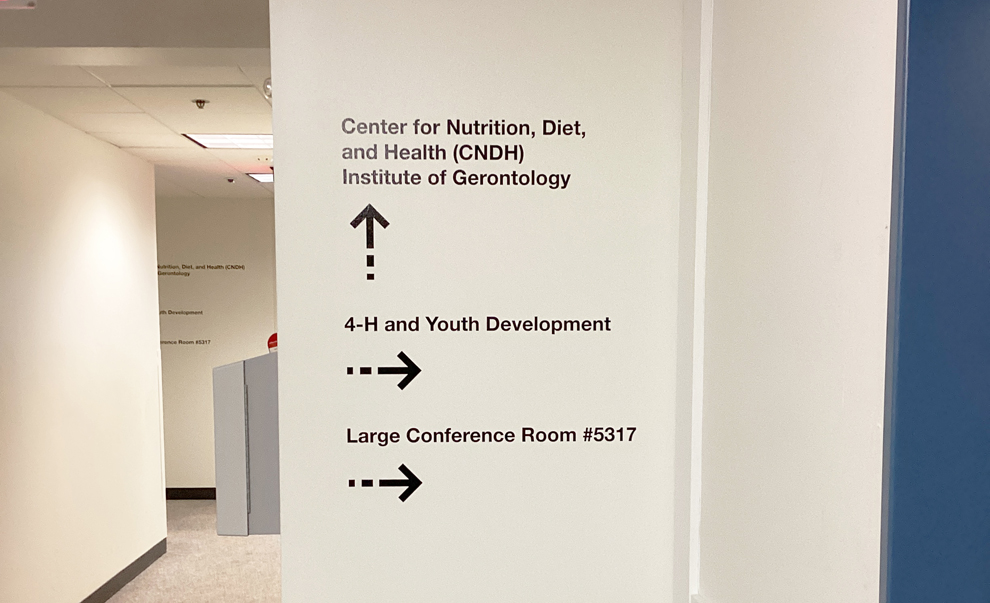
In the bustling urban landscape of Washington, DC, where office buildings are often sprawling and multifaceted, the need for effective navigation within workplace interiors has never been more critical. As businesses strive to enhance employee productivity, visitor experience, and brand identity, the integration of wayfinding signs emerges as a pivotal solution. These signs do more than just point the way—they serve as strategic tools that can transform a workplace's interior environment, making it more intuitive, engaging, and aligned with the company's brand ethos.
Understanding the Role of Wayfinding Signs
Wayfinding signs are visual cues designed to guide individuals through a physical environment. In office settings, they encompass a range of signage, including directional arrows, room labels, floor directories, and informational plaques. The primary objective is to facilitate easy navigation, reducing confusion and enhancing the overall experience for both employees and visitors.
However, the impact of wayfinding signs extends beyond mere navigation. When thoughtfully designed and strategically placed, they can:
Enhance Brand Identity: Custom-designed wayfinding signs that incorporate company logos, colors, and fonts reinforce brand presence throughout the office space.
Improve Efficiency: Clear signage reduces the time spent searching for rooms or amenities, leading to better time management and productivity.
Ensure Accessibility: ADA-compliant signs cater to individuals with disabilities, ensuring an inclusive environment.
Create a Cohesive Aesthetic: Consistent design elements in signage contribute to a harmonious and professional interior decor.
The Impact on Workplace Interiors in Washington, DC
Washington, DC, with its diverse architectural styles and dense office spaces, presents unique challenges for workplace navigation. The integration of wayfinding signs in this context offers several benefits:
Streamlined Navigation
In large office complexes, employees and visitors often struggle to locate specific departments or meeting rooms. Wayfinding signs provide clear directions, reducing the time spent searching for destinations and minimizing disruptions.
Enhanced Visitor Experience
For clients or guests unfamiliar with the building layout, intuitive signage ensures they can navigate the space confidently. This positive first impression can significantly impact client relationships and business outcomes.
Support for Hybrid Work Models
With the rise of hybrid work environments, employees may not be familiar with the office layout on every visit. Wayfinding signs help them quickly acclimate, fostering a sense of belonging and reducing onboarding time.
Compliance with Regulations
Incorporating ADA-compliant wayfinding signs ensures that the workplace is accessible to all individuals, including those with disabilities. This adherence to legal standards not only promotes inclusivity but also mitigates potential legal risks.
Integrating Branding with Wayfinding Signs
Beyond functionality, wayfinding signs offer an opportunity to reinforce a company's brand identity. By aligning the design of these signs with corporate branding elements—such as logos, color schemes, and typography—businesses can create a cohesive and immersive environment. This integration not only aids in navigation but also instills a sense of pride and consistency among employees and visitors.
For instance, incorporating branded wayfinding signs in key areas like lobbies, conference rooms, and hallways can subtly communicate the company's values and culture. Materials like brushed metal, acrylic, or reclaimed wood can be chosen to reflect the company's commitment to quality and sustainability.
Collaborating with Experts: Heritage Signs & Displays
Implementing an effective wayfinding system requires expertise in design, materials, and installation. Heritage Signs & Displays, a veteran-owned company based in Washington, DC, specializes in creating custom wayfinding solutions tailored to the unique needs of each client. With decades of experience, they offer comprehensive services—from initial consultation and design to fabrication and installation.
Their team works closely with clients to understand the specific requirements of the space, ensuring that the signage not only serves its navigational purpose but also aligns with the overall aesthetic and branding goals. Whether it's dimensional lettering, wall wraps, or floor graphics, Heritage Signs & Displays provides innovative solutions that enhance both functionality and design.
Best Practices for Implementing Wayfinding Signs
To maximize the effectiveness of wayfinding signs in workplace interiors, consider the following best practices:
Consistency in Design: Use uniform colors, fonts, and symbols across all signage to create a cohesive look.
Strategic Placement: Position signs at decision points—such as intersections or near elevators—to guide individuals effectively.
Clear and Concise Messaging: Use simple language and universally recognized symbols to convey information.
Regular Updates: Ensure that signage reflects any changes in the office layout or room assignments to prevent confusion.
Incorporate Technology: Consider integrating digital directories or interactive kiosks for dynamic wayfinding solutions.
The Future of Wayfinding in Workplace Interiors
As workplace design continues to evolve, the role of wayfinding signs is expanding. Future trends may include:
Smart Signage: Integration of displays that provide real-time information, such as room availability or event schedules.
Sustainable Materials: Use of eco-friendly materials in signage to align with corporate sustainability initiatives.
Personalized Navigation: Implementation of mobile apps that guide individuals through the workspace based on their preferences or needs.
By staying abreast of these trends, businesses can ensure that their wayfinding systems remain relevant and effective in enhancing workplace interiors.
Conclusion
In conclusion, wayfinding signs are more than just functional elements—they are integral to creating a workplace environment that is navigable, inclusive, and reflective of a company's brand identity. In Washington, DC's dynamic office landscape, investing in thoughtful and well-designed wayfinding solutions can lead to improved efficiency, enhanced employee and visitor experiences, and a stronger brand presence.
For businesses looking to transform their workplace interiors, partnering with experts like Heritage Signs & Displays can provide the guidance and expertise needed to implement an effective wayfinding system. Their commitment to quality and customer satisfaction ensures that each project is executed to the highest standards.
To explore how wayfinding signs can enhance your workplace, get started by visiting their website.