
When setting up a nursery, one of the most important decisions parents make is where to place a baby monitor. Proper placement directly affects how well you can see, hear, and respond to your baby’s needs. It also impacts safety, sleep quality, and peace of mind.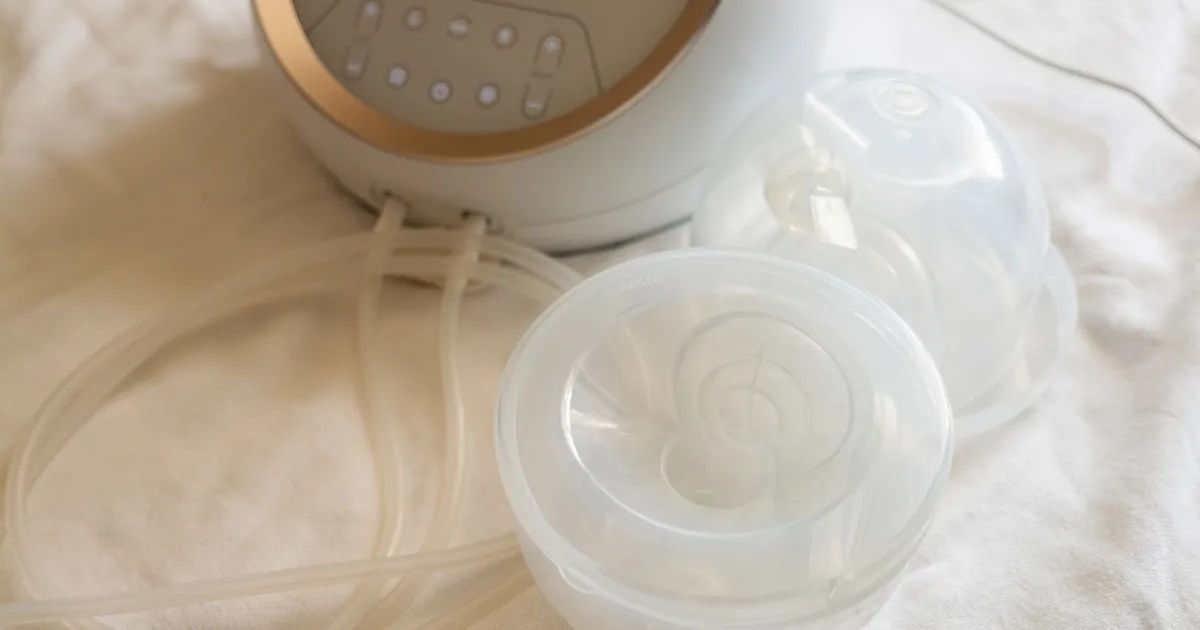
Many modern parents also compare baby-care tools alongside devices like the Spectra S1 Pro Breast Pump because both are part of building a reliable newborn care routine. In fact, while the Spectra S1 Pro Breast Pump supports feeding schedules, a well-placed monitor supports sleep monitoring and safety at night.
Throughout this guide, we will explore exactly where a baby monitor should be placed, common mistakes to avoid, and how to create a safe, effective nursery setup. We will also naturally reference the Spectra S1 Pro Breast Pump as part of understanding how parents manage baby care routines more efficiently.
Why Baby Monitor Placement Matters
The placement of a baby monitor is not just a technical detail. It directly affects:
- Video clarity
- Audio accuracy
- Night visibility
- Safety of the baby
- Long-term device performance
Parents often use tools like the Spectra S1 Pro Breast Pump during feeding routines, and similarly, monitor placement becomes a key part of daily baby care structure.
A poorly placed monitor may miss important movements or give unclear visuals. On the other hand, a properly placed device helps parents respond quickly and confidently.
Ideal Height for Baby Monitor Placement
One of the most important factors is height.
Recommended Position
The best placement is usually:
- 5 to 7 feet above the crib
- Mounted on a wall or shelf
- Angled downward toward the baby
This angle provides a full view of the crib without blind spots.
Parents who balance feeding routines using tools like the Spectra S1 Pro Breast Pump often prefer structured setups, where everything in the nursery is positioned intentionally.
Why Height Matters
- Prevents the baby from reaching the device
- Reduces obstruction from crib rails
- Improves night vision coverage
- Captures full crib movement
Even when managing sleep-deprived routines and pumping schedules with the Spectra S1 Pro Breast Pump, a well-placed monitor reduces stress significantly.
Distance From the Crib
Distance is just as important as height.
Safe Distance Guidelines
- Keep the monitor 3 to 6 feet away horizontally
- Avoid placing it inside the crib or crib rail
- Ensure full crib visibility without distortion
The goal is to balance clarity with safety.
Many parents using the Spectra S1 Pro Breast Pump during nighttime routines prefer minimizing movement in the nursery. Proper monitor distance ensures they don’t need to constantly adjust the device.
Best Wall Placement Options
Wall mounting is one of the most effective setups.
Advantages of Wall Placement
- Stable and secure
- Hard for baby to reach
- Wide viewing angle
- Clean nursery appearance
When installed correctly, the monitor provides a consistent view of the crib and surrounding space.
Parents who organize feeding schedules around the Spectra S1 Pro Breast Pump often prefer wall-mounted systems because they reduce daily adjustments.
Where on the Wall?
- Corner walls facing the crib diagonally
- Above the headboard side of the crib
- Avoid placing directly above the baby’s head
Shelf Placement: A Flexible Alternative
Not everyone prefers wall mounting. Shelf placement is another good option.
Best Practices for Shelf Setup
- Use a high, stable shelf
- Ensure no risk of falling
- Angle the camera downward
- Keep cords secured and hidden
Shelf setups are especially useful for rented homes or temporary nurseries.
Parents managing newborn routines with the Spectra S1 Pro Breast Pump often prefer flexible setups like shelves because they allow quick room adjustments.
What to Avoid When Placing a Baby Monitor
Incorrect placement can lead to safety issues or poor monitoring.
Avoid These Mistakes
- Placing inside the crib
- Leaving loose cords near the baby
- Positioning too low
- Blocking the camera with toys or blankets
- Pointing directly at bright lights or windows
Even when juggling feeding and pumping routines with the Spectra S1 Pro Breast Pump, avoiding these mistakes ensures long-term safety.
Cord Safety and Cable Management
Cord safety is critical in any nursery setup.
Key Safety Rules
- Keep cords at least 3 feet away from crib
- Use cable covers or clips
- Secure excess wiring
- Avoid dangling cables
Loose cords are a serious hazard, so proper management is essential.
Parents using structured routines with the Spectra S1 Pro Breast Pump often extend that same organization mindset to nursery safety.
Best Angle for Baby Monitor Cameras
Angle determines how much you can actually see.
Ideal Camera Angle
- Slight downward tilt (30–45 degrees)
- Full crib coverage
- Clear view of baby’s face and body
A proper angle ensures you don’t miss movement or sleep position changes.
When combined with organized baby-care routines involving the Spectra S1 Pro Breast Pump, parents gain better overall control of newborn care.
Lighting and Night Vision Considerations
Most baby monitors use infrared night vision.
Placement Tips for Night Vision
- Avoid direct light sources facing the camera
- Reduce glare from windows
- Keep the room dim but not overly dark
Good lighting balance helps the monitor function properly at night.
Even during late-night pumping sessions using the Spectra S1 Pro Breast Pump, parents rely heavily on clear night vision to monitor their baby safely.
WiFi Baby Monitor Placement Tips
WiFi monitors require additional considerations.
Best Practices
- Keep near strong WiFi signal area
- Avoid metal obstructions
- Test connection before final installation
A weak signal can cause delays in video or audio feed.
Parents who rely on structured schedules with the Spectra S1 Pro Breast Pump often prefer stable WiFi monitoring to reduce interruptions.
Nursery Layout and Monitor Placement
Your nursery layout directly affects placement decisions.
Common Layout Types
Small Nursery
- Wall corner placement works best
- Avoid cluttered shelves
Large Nursery
- Elevated shelf or ceiling mount possible
- Wider viewing angles needed
Shared Room Setup
- Position monitor to isolate crib area visually
- Avoid capturing unnecessary background
Parents often design nursery layouts alongside essential baby tools like the Spectra S1 Pro Breast Pump to create smoother routines.
Ceiling Mounting: Is It a Good Idea?
Ceiling mounting is less common but highly effective.
Pros
- Full crib coverage
- No baby access risk
- Clean, wide-angle view
Cons
- Difficult installation
- Harder maintenance
Still, for advanced setups, it can be ideal.
Even parents using devices like the Spectra S1 Pro Breast Pump may choose ceiling mounts for maximum safety and convenience.
How to Test Baby Monitor Placement
After installation, testing is essential.
Testing Checklist
- Check full crib visibility
- Test night vision clarity
- Ensure audio is clear
- Verify WiFi stability
- Adjust angle if needed
Testing ensures the monitor performs correctly before regular use.
Many parents test setups while balancing feeding routines with the Spectra S1 Pro Breast Pump to ensure everything is working smoothly before nighttime use.
Common Placement Mistakes Parents Make
Even experienced parents can make mistakes.
Frequent Errors
- Placing monitor too close to crib
- Ignoring cord hazards
- Poor angle selection
- Not testing night vision
- Blocking view with décor
Avoiding these mistakes ensures better safety and performance.
A well-organized routine including the Spectra S1 Pro Breast Pump helps parents maintain consistency in setup quality.
Tips for First-Time Parents
If you are setting up a nursery for the first time:
- Start with a simple wall mount
- Keep the crib area minimal
- Test placement multiple times
- Adjust based on baby movement patterns
Using tools like the Spectra S1 Pro Breast Pump alongside a well-placed monitor helps create a structured newborn care routine.
Long-Term Maintenance Tips
Baby monitor placement is not permanent.
Maintenance Tips
- Re-check angle every few weeks
- Clean camera lens regularly
- Update WiFi settings if needed
- Adjust as baby grows
As routines evolve—especially with feeding tools like the Spectra S1 Pro Breast Pump—monitor placement may also need adjustments.
Conclusion
Proper baby monitor placement is essential for safety, clarity, and peace of mind. The ideal setup usually involves placing the monitor 5 to 7 feet high, at a safe distance from the crib, and angled downward for full coverage. Whether mounted on a wall, shelf, or ceiling, the key is ensuring stability, visibility, and safety.
Modern parenting often involves balancing multiple responsibilities, from sleep monitoring to feeding routines supported by tools like the Spectra S1 Pro Breast Pump. When both feeding systems and monitoring systems are well organized, parents can create a safer and more efficient environment for their baby.
Ultimately, the right placement reduces stress, improves response time, and enhances overall care quality. With careful setup and regular adjustments, a baby monitor becomes a reliable partner in your parenting journey.