In today’s digital world, converting images into editable text has become an essential task for students, teachers, and professionals. A Pic to Text document converter allows users to extract written content from images and transform it into digital text that can be edited, copied, and shared. Whether you are scanning handwritten notes or capturing printed pages, Pic to Text technology makes the process simple and fast.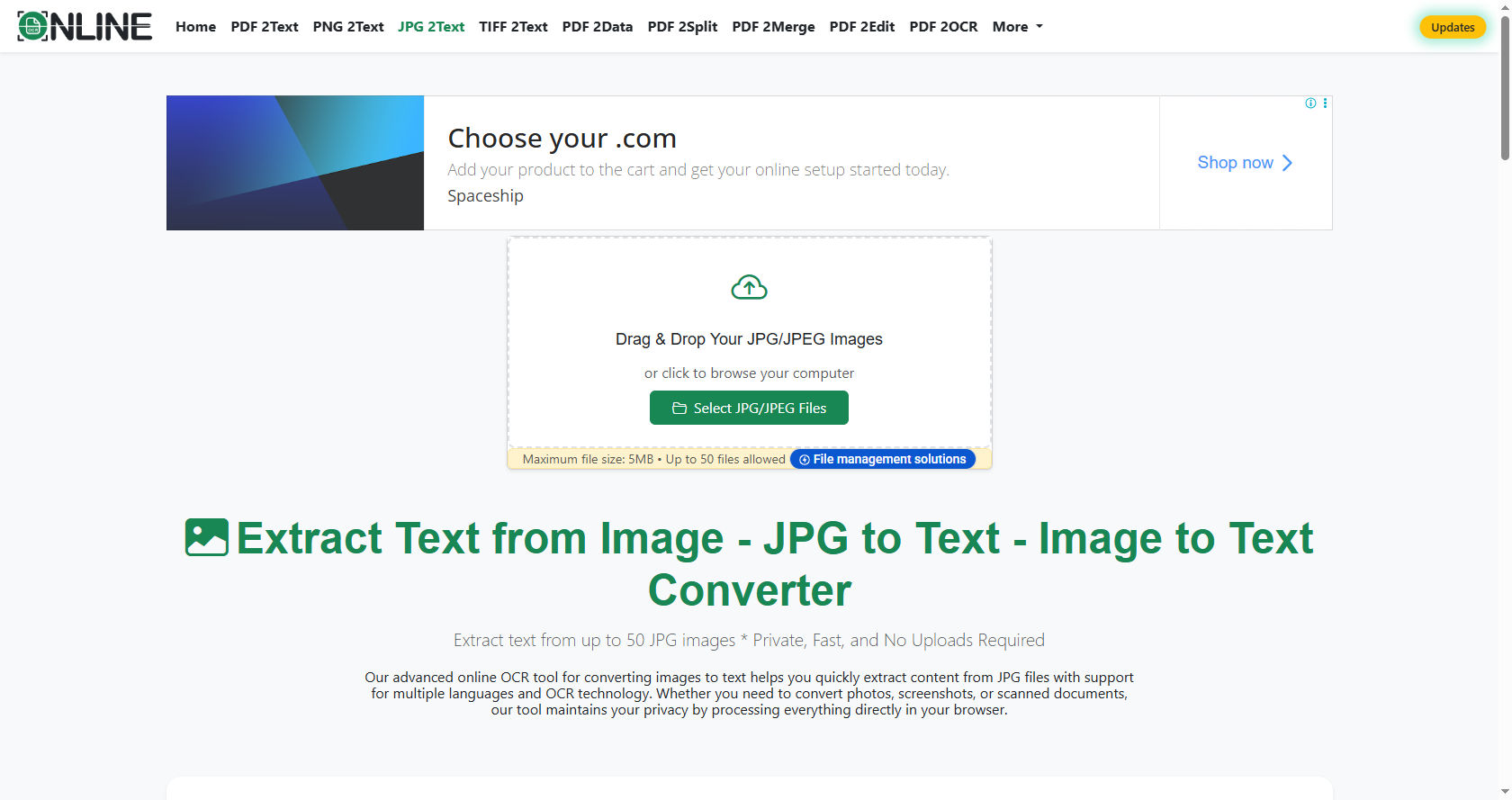
The demand for Pic to Text tools is increasing because people want efficient ways to manage information. Instead of typing everything manually, a Pic to Text converter does the work in seconds.
This comprehensive guide will explain how Pic to Text document converters work, their benefits, features, and how you can use them effectively.
By the end of this guide, you will fully understand how Pic to Text conversion works and how it can improve productivity in school, work, and everyday life.
What Is Pic to Text?
Pic to Text refers to the process of converting an image containing text into editable digital text. The image may include printed documents, handwritten notes, screenshots, or scanned files. A Pic to Text tool reads the text inside the image and converts it into a format like Word, PDF, or plain text.
This process is made possible through Optical Character Recognition (OCR) technology. OCR allows a Pic to Text system to identify letters, numbers, and symbols inside an image and convert them into machine-readable text.
In simple words, Pic to Text means turning a picture of words into actual typed words that you can edit and save.
How Does Pic to Text Technology Work?
Understanding how Pic to Text works helps you use it more effectively. The process usually follows these steps:
Image Capture
First, the user uploads or scans an image. This image can be taken with a smartphone camera, scanner, or screenshot tool. The quality of the image plays a major role in how accurate the Pic to Text conversion will be.
Image Processing
Next, the Pic to Text software enhances the image. It adjusts brightness, contrast, and sharpness. This step removes noise and improves clarity so the text can be recognized correctly.
Text Recognition (OCR)
The core part of Pic to Text is OCR. The system scans the image and identifies characters. It compares shapes in the image with stored character patterns. Once recognized, the system converts them into digital text.
Text Output
Finally, the Pic to Text tool generates editable text. Users can copy, edit, download, or share the converted content.
This entire Pic to Text process usually takes only a few seconds.
Why Is Pic to Text Important?
Pic to Text tools are important because they save time and effort. Instead of manually typing long documents, you can use Pic to Text to instantly convert printed material into editable text.
Here are some key reasons why Pic to Text is valuable:
For students, Pic to Text helps convert textbook pages into digital notes. For professionals, Pic to Text simplifies document management. For businesses, Pic to Text reduces paperwork and increases efficiency.
Benefits of Using Pic to Text Document Converters
There are many advantages of using a Pic to Text converter in daily life.
1. Time Efficiency
Typing long documents takes hours. Pic to Text can complete the task in seconds. This makes it extremely useful for busy students and professionals.
2. Increased Accuracy
Modern Pic to Text tools are highly accurate, especially when the image quality is good. They reduce human typing mistakes.
3. Easy Editing
Once text is converted using Pic to Text, it becomes fully editable. You can change formatting, correct errors, and add new information.
4. Accessibility
Pic to Text technology helps visually impaired users by converting printed text into digital text that can be read by screen readers.
5. Digital Storage
Using Pic to Text allows you to store documents digitally instead of keeping piles of paper.
Common Uses of Pic to Text
Pic to Text document converters are used in many different situations.
Academic Use
Students use Pic to Text to scan class notes, assignments, and textbook pages. This helps them create digital study material quickly.
Business Use
Companies use Pic to Text to convert invoices, contracts, and reports into editable documents.
Personal Use
Individuals use Pic to Text for scanning receipts, letters, and handwritten notes.
Research and Documentation
Researchers use Pic to Text to convert printed resources into searchable documents for analysis.
How to Use a Pic to Text Converter Step-by-Step
Using a Pic to Text tool is simple. Follow these steps:
-
Choose a reliable Pic to Text converter.
-
Upload or capture the image containing text.
-
Wait for the Pic to Text process to complete.
-
Review the extracted text.
-
Download or copy the final document.
Always check the final output after using Pic to Text to correct any small recognition errors.
Features to Look for in a Pic to Text Tool
Not all Pic to Text tools are the same. Here are important features to consider:
High Accuracy
A good Pic to Text converter should provide precise text recognition.
Multi-Language Support
Advanced Pic to Text tools can recognize multiple languages.
Format Options
The best Pic to Text software allows downloads in formats like Word, PDF, or TXT.
Cloud Integration
Some Pic to Text platforms store files online for easy access.
Handwriting Recognition
Modern Pic to Text tools can even recognize clear handwritten text.
Factors That Affect Pic to Text Accuracy
The effectiveness of Pic to Text depends on several factors.
Image Quality
Blurry images reduce Pic to Text accuracy. Always use clear and well-lit images.
Font Style
Simple fonts are easier for Pic to Text systems to recognize.
Background Noise
Clean backgrounds improve Pic to Text results.
Alignment
Straight images work better for Pic to Text conversion than tilted or rotated ones.
Advantages of Pic to Text for Students
Students benefit greatly from Pic to Text tools.
They can convert classroom board notes into digital format. They can scan library books and extract important paragraphs. Pic to Text also helps organize study materials in one place.
Using Pic to Text improves learning efficiency. It allows students to focus more on understanding content rather than rewriting it.
Advantages of Pic to Text for Businesses
Businesses use Pic to Text for document digitization. Paper contracts can be converted into editable files. Reports can be scanned and archived digitally.
Pic to Text helps reduce physical storage space. It also makes documents searchable, saving time during audits or reviews.
With Pic to Text, businesses improve workflow and reduce manual data entry tasks.
Pic to Text and Mobile Applications
Today, many smartphones support Pic to Text through built-in features or apps. Users can take a picture and instantly extract text.
Mobile Pic to Text apps are helpful for quick tasks like copying text from posters, signs, or books. This makes Pic to Text accessible anytime and anywhere.
Challenges of Pic to Text Conversion
Although Pic to Text technology is powerful, it has some limitations.
Poor handwriting can reduce accuracy. Low-resolution images may cause errors. Complex layouts with tables or columns can confuse some Pic to Text systems.
However, technology is improving, and modern Pic to Text tools are becoming more advanced and reliable.
Tips to Improve Pic to Text Results
To get the best results from Pic to Text, follow these tips:
These small steps can greatly improve the performance of your Pic to Text converter.
Security and Privacy in Pic to Text Tools
When using online Pic to Text converters, privacy is important. Always choose trusted platforms. Avoid uploading sensitive documents to unknown websites.
Some Pic to Text software offers offline use, which provides extra security. Businesses especially should select secure Pic to Text systems to protect confidential information.
Future of Pic to Text Technology
The future of Pic to Text looks promising. Artificial Intelligence and Machine Learning are making Pic to Text tools smarter.
Future Pic to Text systems may:
-
Improve handwriting recognition
-
Support more languages
-
Detect document structure automatically
-
Provide real-time translation
As technology evolves, Pic to Text will become even faster and more accurate.
Comparing Pic to Text with Manual Typing
Manual typing requires effort and time. Pic to Text reduces both. While typing helps improve writing skills, Pic to Text is better for efficiency.
In professional environments, Pic to Text saves hours of work. In academic settings, Pic to Text helps manage large amounts of study material quickly.
Is Pic to Text Suitable for Everyone?
Yes, Pic to Text is suitable for students, teachers, researchers, office workers, and business owners. Anyone who deals with printed or handwritten documents can benefit from Pic to Text.
Even beginners can easily use Pic to Text tools because most platforms have simple interfaces.
Comprehensive Guide Summary
Pic to Text document converters are powerful digital tools that transform images into editable text. They use OCR technology to detect characters and convert them into digital form.
The process involves image capture, processing, recognition, and output. Pic to Text tools offer many benefits including time-saving, accuracy, digital storage, and accessibility.
Students use Pic to Text for notes and assignments. Businesses use Pic to Text for document management. Individuals use Pic to Text for everyday tasks.
To achieve the best results, users should focus on image quality, proper lighting, and trusted software.
Pic to Text technology continues to improve with advancements in Artificial Intelligence.
Conclusion
In conclusion, Pic to Text document converters have transformed the way we handle written information. In a world that values speed and efficiency, Pic to Text provides a practical solution to convert printed or handwritten materials into digital format instantly.
The importance of Pic to Text cannot be overstated. It reduces manual effort, increases productivity, and supports digital transformation. From classrooms to corporate offices, Pic to Text plays a vital role in modern communication and documentation.
As technology advances, Pic to Text systems will become even more intelligent and precise. Future developments will likely improve handwriting recognition, layout detection, and multilingual support.
For students, Pic to Text simplifies studying and note organization. For professionals, Pic to Text enhances workflow efficiency. For businesses, Pic to Text supports digital record-keeping and cost reduction.
By understanding how Pic to Text works and following best practices, anyone can maximize its benefits. Choosing reliable tools, ensuring image clarity, and reviewing converted text are simple steps that guarantee success.
Ultimately, Pic to Text is more than just a convenience. It is a powerful digital solution that bridges the gap between physical documents and digital information. As we move further into a paperless future, Pic to Text will continue to be an essential tool for education, business, and personal use.
